About Aluminum Sacrificial Anode
An anode rod in a water heater is a critical component that helps prevent corrosion inside the tank. Its usually made of magnesium, aluminum, or zinc and is designed to corrode instead of the steel tank, prolonging its lifespan.
Why It's Important:
- Corrosion Protection The anode rod attracts corrosive elements in the water, which helps protect the tank itself.
- Lifespan Extension Regularly checking and replacing the anode rod can significantly extend the life of your water heater.
Maintenance Tips:
- Check Regularly Inspect the anode rod every 1-3 years. If it's heavily corroded (less than inch thick), its time to replace it.
- Replacement When replacing, ensure you use the right type and size for your specific water heater model.
Keeping an eye on your anode rod can save you from costly replacements down the line!
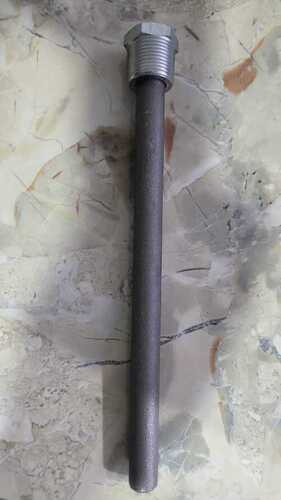
Purpose-Driven ProtectionThe aluminum sacrificial anode rod acts as a protective barrier inside storage geysers and water heaters, diverting corrosive elements away from vital metal components. By serving as the primary target for corrosion, the anode rod can significantly increase the operational life and reliability of your water heating system, making it a wise investment for any environment where water tanks or heaters are in use.
Simple Installation and MaintenanceFitted with a hex-threaded cap, this aluminum anode rod can be easily mounted into most storage geysers or water heaters. Regular inspection and timely replacement of the rod are essential to ensure continuous protection against corrosion. The threaded design streamlines the maintenance process, making it accessible for both professionals and skilled DIY enthusiasts.
FAQ's of Aluminum Sacrificial Anode:
Q: How does an aluminum sacrificial anode rod work in a water heater?
A: The aluminum sacrificial anode rod protects water heater tanks by attracting corrosive elements, causing itself to corrode first. This process sacrifices the anode rather than the tank's internal metal, effectively extending the life of the water heater.
Q: What are the benefits of using an aluminum anode rod in storage geysers?
A: Aluminum anode rods provide long-lasting corrosion protection, reduce maintenance costs, and help maintain water heater efficiency. Their as-cast surface ensures maximum reactivity, making them effective in various water conditions.
Q: When should I replace the sacrificial anode rod in my water heater?
A: It is recommended to inspect the anode rod every one to two years and replace it if more than 50% of the rod has corroded away. Frequent checking helps prevent internal damage and prolongs the life of your appliance.
Q: Where is the aluminum anode rod typically installed in a storage geyser?
A: The anode rod is usually threaded into the top of the water tank or geyser, using its hex-threaded cap to ensure a secure and tight fit. Installation points may vary by manufacturer, so consult your appliance guide for precise locations.
Q: What is the process for installing or replacing the aluminum anode rod?
A: To install or replace the anode rod, first power off and drain the heater. Unscrew the old rod using a compatible wrench, then thread in the new aluminum anode rod with its hex cap. Seal and tighten as directed, refill the tank, and restore power.
Q: Can this uncoated aluminum rod be used in any water tank or heater?
A: This rod is suitable for most standard storage geysers and water heaters, especially those designed for threaded anode installation. Always check your heater's specifications and compatibility with threaded aluminum rods before use.

 Send Inquiry


 Send Inquiry

 Send Inquiry